What Is Shibuya Sky?
SHIBUYA SKY is a rooftop observatory on floors 45-47 of Shibuya Scramble Square, standing approximately 229 meters above street level. What makes it distinct from Tokyo's other observatories — Skytree, Tokyo Tower, Roppongi Hills — is its open-air rooftop experience. You're not behind glass; you're standing outside, feeling the wind, with a wire mesh barrier between you and the city below. The effect is genuinely visceral in a way that enclosed glass observatories simply can't replicate.
Key reasons it's worth visiting:
Overhead view of the famous Shibuya Scramble Crossing — the world's busiest pedestrian intersection
360° open-air views from Shinjuku to Tokyo Skytree
The golden hour / sunset / city lights transition creates one of Tokyo's most photographed spectacles
Hammock area for unique sky-gazing compositions
Comparatively affordable vs Skytree
2026 Ticket Prices
| Ticket Type | Advance (Online) | Same-Day (On-site) |
|---|---|---|
| Adult (18+) | ¥2,200 | ¥2,500 |
| University / High School (student ID required) | ¥1,700 | ¥2,000 |
| Junior High / Elementary School | ¥1,200 | ¥1,400 |
| Under 3 | Free | Free |
Evening Premium Ticket (After 17:30)
A premium ticket for sunset and nighttime visitors: ¥3,100 advance / ¥3,600 same-day. Includes priority entry and a complimentary drink. If your only goal is the sunset-to-nighttime transition — which is the best reason to visit — this is the right ticket.
Always buy in advance via the official website. Advance tickets are cheaper, and booking a specific time slot means you won't wait in a queue at the elevator.
Operating Hours
10:00 - 22:30 daily (last entry 21:30)
Outdoor rooftop may close in strong wind or heavy rain
Best Time to Visit: The 60-Minute Golden Window
The single most important piece of advice for Shibuya Sky: arrive approximately 60 minutes before sunset. This gives you:
Golden hour photography — the warm orange/pink light on the Tokyo skyline
The possibility of seeing Mt. Fuji silhouetted on the horizon (on clear winter days)
The full city-lights-coming-on transition as dusk falls
Full nighttime panorama at the end of your visit
Approximate Tokyo sunset times by season:
January-February: ~17:00-17:30
March-April: ~17:30-18:30
May-July: ~18:30-19:00
August-September: ~18:00-18:30
October-November: ~17:00-17:30
December: ~16:30-17:00
The Three Zones Explained
SKY GATE (Floor 45)
Browse shows and resale listings on TIXVOY. Payment status is tracked through Stripe Connect, and buyers should check section, delivery method and entry rules.
Transitional entrance zone with projection art depicting Tokyo's urban evolution. Worth a few minutes before heading up.
SKY STAGE (Floor 46) — The Main Event
Approximately 2,500 square meters of open-air rooftop. Key features:
SKY EDGE: Wire mesh barriers at the perimeter allow you to press against the edge and photograph the city below. The wire aesthetic creates photos that feel more exposed and dramatic than glass-enclosed observatories
Hammock area: Lie back and look straight up at the sky or the surrounding buildings — a unique framing option that no other Tokyo observatory offers
Wind: The open rooftop can be very cold in winter and windy year-round. Dress in layers and secure hats and small items
No tripods on the outdoor deck: Handheld gimbals and compact stabilizers are permitted
SKY GALLERY (Floor 47) — Indoor Observation
Glass-walled indoor observatory with a bar counter. This area remains accessible when the outdoor deck closes due to weather. Drinks (including cocktails) are available.
Photography Tips
Smartphone Photography
During sunset, disable HDR and manually reduce exposure — this makes the sky colors more vivid and dramatic
Use the wire mesh as a foreground element to add depth and visual interest
Enable Night Mode (iPhone) or Night Sight (Android) for nighttime shots; brace your elbows against your body to reduce camera shake
For the Shibuya Crossing shot, use the maximum zoom your phone allows — telephoto compression makes the crowds more visually impactful
Camera Photography
Wide angle (16-24mm) for panoramic shots spanning the full skyline
Telephoto (70-200mm) for compressing the city's density into a single dramatic frame
Golden hour: ISO 200-400, f/8, adjust shutter for exposure
Night shooting: High ISO (3200-6400) with optical stabilization; handheld shots are very achievable
Tokyo Observatories Compared
| Observatory | Height | Adult Price | Character | Best For |
|---|---|---|---|---|
| Tokyo Skytree | 634m (upper deck) | From ¥3,100 | World's tallest tower, fully enclosed | Extreme height seekers |
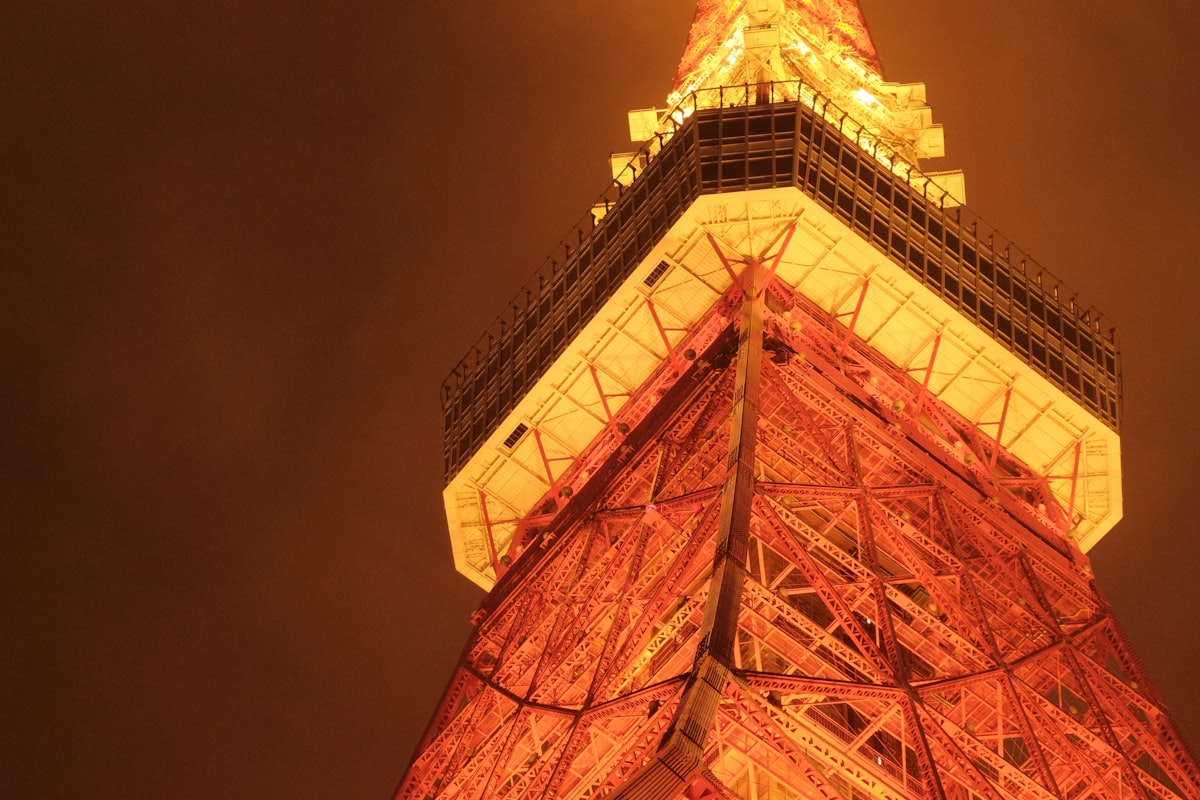
| Tokyo Tower | 250m (special deck) | ¥3,000 | Iconic red lattice tower, glass floor | Classic Tokyo icon |
| Shibuya Sky | 229m | From ¥2,200 | Open-air rooftop, most photogenic | Sunset/night photography |
| Roppongi Hills Mori Tower | 238m | ¥2,000 | Indoor + terrace, combined with art museum | Art + views combination |
| Tokyo Metropolitan Government Bldg | 202m | Free | Completely free, North observation deck | Budget travelers |
Bottom line: For sunset photography and Instagram shots, Shibuya Sky. For the ultimate height experience, Skytree. On a tight budget, the Tokyo Metropolitan Government Building is free and surprisingly good.
Getting There
Shibuya Sky is inside Shibuya Scramble Square, directly connected to JR Shibuya Station's East Exit (2-minute walk):
JR Yamanote / Saikyo / Shonan-Shinjuku Lines: Shibuya Station East Exit, 2-minute walk
Tokyo Metro Ginza / Hanzomon / Fukutoshin Lines: Shibuya Station Exit B6, direct connection to Scramble Square
Tokyu Lines: Connected via internal passageway from Shibuya Station
Scramble Square is the tall glass-clad building that opened in 2019. It's visible from the Scramble Crossing below — just look for the tallest modern tower and you've found it.
Nearby: A Full Day in Shibuya
Shibuya Scramble Crossing: Experience the crossing at street level too. The Starbucks overlooking the crossing offers a close-up view from the second floor
Shibuya 109 and Dogenzaka: Japan's fashion epicenter
Daikanyama and Nakameguro: 15-minute walk from Shibuya, filled with boutique cafés and independent shops. Nakameguro canal is one of Tokyo's best evening walks
Shibuya is one of Tokyo's top entertainment districts. If you are looking for concert or live event tickets during your Tokyo trip, check TIXVOY for upcoming shows.
FAQ
Q: Shibuya Sky vs Tokyo Skytree — which should I visit?
A: Completely different experiences. Skytree is taller (634m), fully enclosed, more technologically impressive. Shibuya Sky is lower, open-air, more intimate, and better for photography. If you care most about photography and Instagram, choose Shibuya Sky. If you want the definitive tall-tower experience, go to Skytree.
Q: What if the weather is bad?
A: Strong winds or rain may close the outdoor deck. The indoor SKY GALLERY remains open. Check the official website the day before your visit for weather advisories. Advance ticket purchasers can sometimes reschedule.
Q: Can I bring a camera with a large lens?
A: Yes, cameras and lenses are permitted. Tripods are not allowed on the outdoor deck; handheld stabilizers are fine.
Q: How long should I plan to stay?
A: Plan 60-90 minutes if you're arriving at sunset for the full golden hour to night transition. If you're only going for daytime or nighttime only, 45-60 minutes is comfortable.
Recommended Reading
Keep reading real TIXVOY pages
When this article has few direct relations, we fill the next steps with existing guides, Q&A, city, venue, artist, and show pages.
Let the AI concierge recommend from this article
Tell the AI concierge the artist, city, or budget you care about. It can filter related shows for you.
Ask the AI concierge